If you’re evaluating whether to invest in a wet wipes production line—or expand an existing one—the market context matters. Here’s what the most recent data shows, and what it means for manufacturers making capacity decisions in 2026.
1.The Market in Numbers
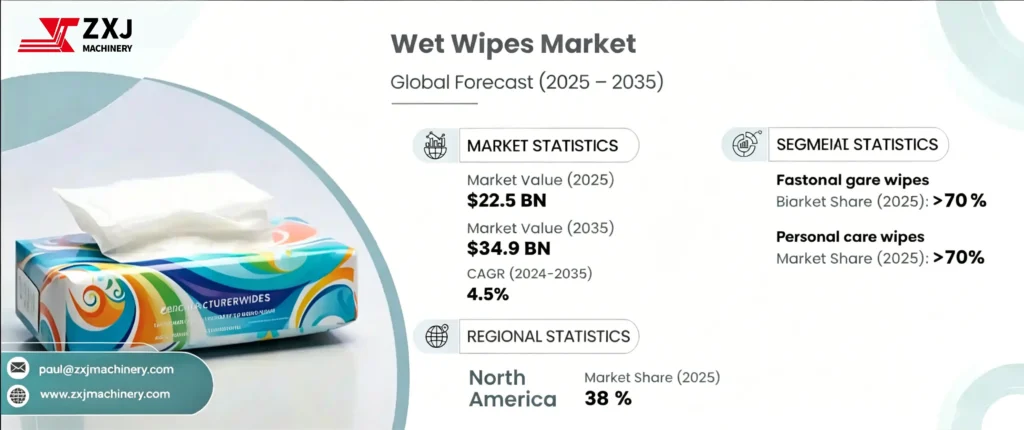
The global wet wipes market is estimated at USD 22.5 billion in 2025, projected to reach USD 23.5 billion in 2026 and USD 34.9 billion by 2035, growing at a CAGR of 4.5% through the forecast period. Across different research firms the exact figures vary, but the directional consensus is consistent: steady, multi-year growth driven by hygiene awareness, urbanization, and expanding product categories.
For manufacturers, the more useful data points are regional and category-level:
Region | 2025 Market Share | Growth Outlook |
North America | ~38% of global market | CAGR ~3.8–6.1% through 2030–2035 |
Europe | ~27–30% | Strong, led by sustainability regulation |
Asia-Pacific | ~30–32% | Fastest growing — CAGR 5.6–6.5% |
Middle East & Africa | ~5% |
Steady upside, hygiene awareness driven
|
North America dominates the global market with an estimated 38% share in 2025. But the more important signal for production investment is Asia-Pacific: the Asia Pacific wet wipes market is projected to grow at a CAGR of 6.3% from 2026 to 2035—the highest of any region globally.
2.Three Segments Driving Demand
1.Baby wipes — sustained baseline demand
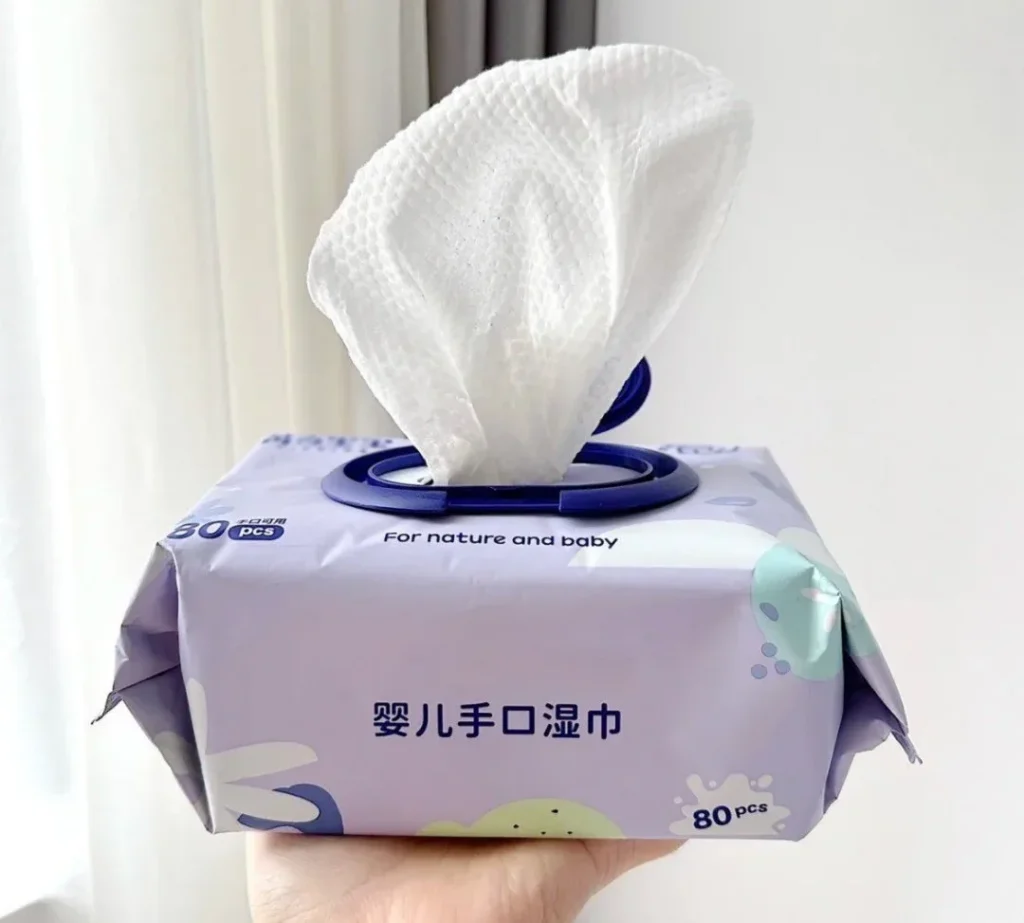
Over 50% of baby care globally relies on wet wipes for hygiene and convenience. Baby wipes represent the most stable demand segment—low cyclicality, high repeat purchase frequency, and strong private-label activity from retailers looking to own the category margin.
2.Antibacterial and disinfectant wipes — post-pandemic
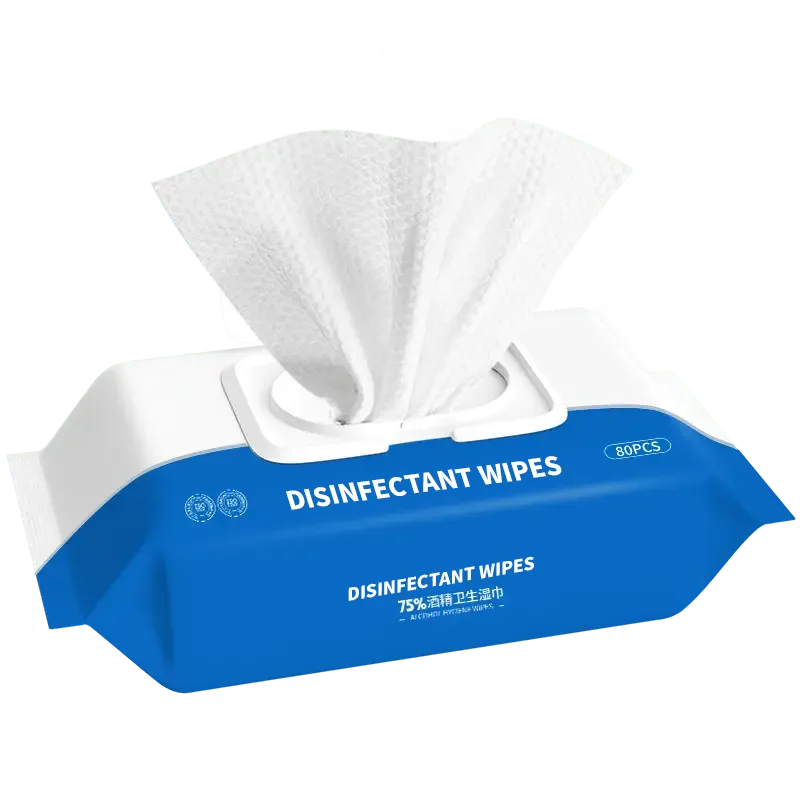
Disinfectant wipes demand surged 40% post-pandemic and continues to hold elevated levels. Healthcare facilities, food service operators, and institutional buyers have structurally shifted toward disinfectant wipes as a routine hygiene practice rather than an emergency response. Hospital applications alone capture 28.6% of wet wipes market share in 2026.
3.Biodegradable wipes — the fastest-growing sub-segment
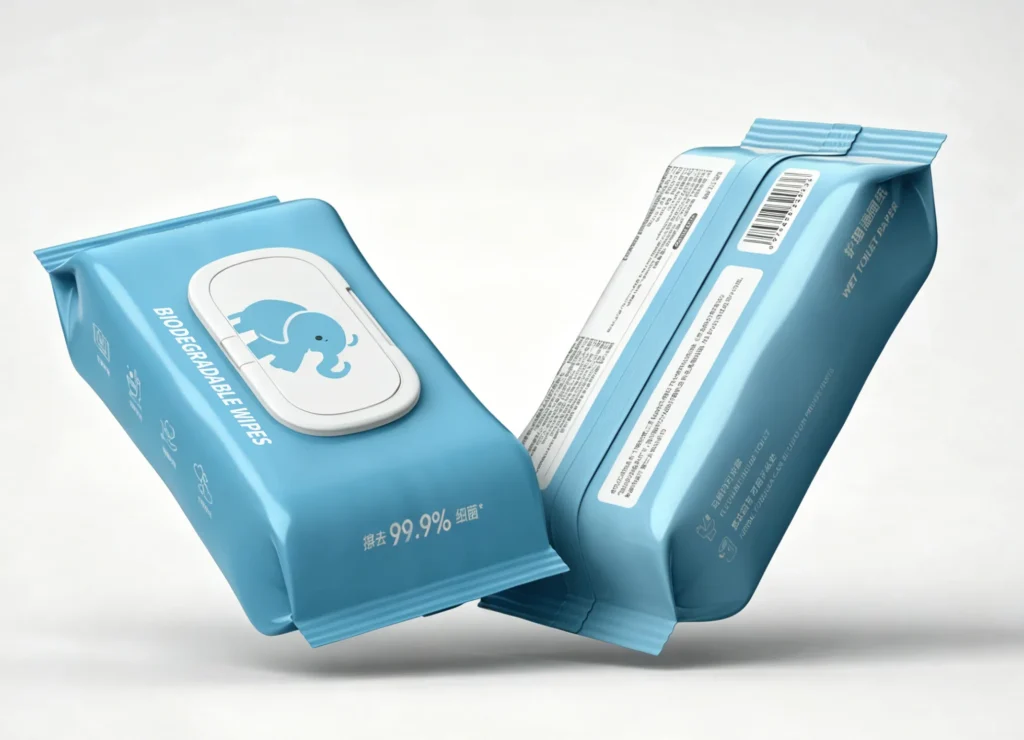
This is the category signal most relevant to manufacturers planning a 3–5 year production horizon. The biodegradable wet wipes market was valued at USD 2.8 billion in 2025 and is projected to reach USD 5.6 billion by 2035, growing at a CAGR of 7%—the fastest of any wipes sub-segment.
The driver isn’t just consumer preference. In November 2025, new regulations were announced prohibiting the sale and supply of wet wipes containing plastic, with limited exemptions for business-to-business supply and medical use. The EU’s Single-Use Plastics Directive and UK plastic wipes ban (effective May 2027) are converting regulatory pressure into mandatory reformulation timelines for any manufacturer selling into those markets.
3.What This Means for Production Investment
Three implications for manufacturers evaluating capacity expansion:
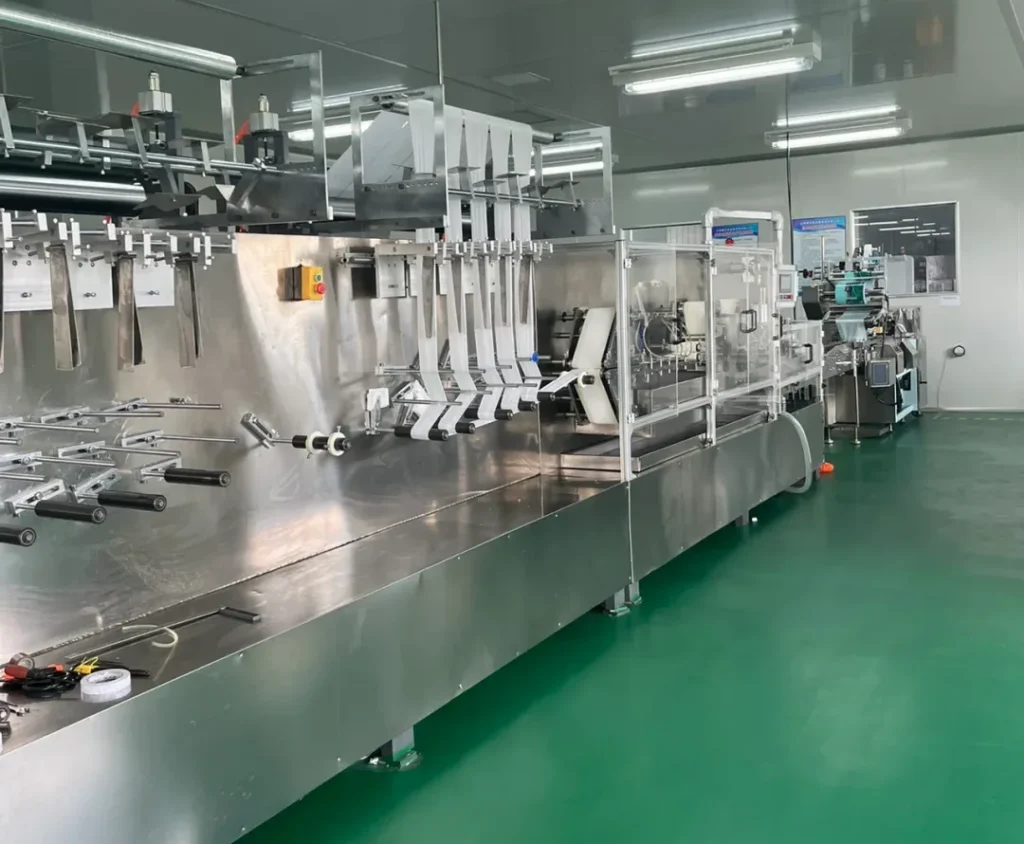
Multi-product flexibility is becoming a business requirement, not a premium feature. A line that can only run one fabric type or one pack format is increasingly a liability. Buyers in North America and Europe are managing more SKUs—baby, household, antibacterial, biodegradable—often from the same supplier. A production line that handles 35–80g fabric, multiple film types (BOPP/PE through CPP/PA), and 30–120 pcs/pack without mechanical retooling directly serves this trend. (ZXJ 12-lane line specification; see full component breakdown)
Asia-Pacific is where production capacity investments make the most sense right now. Roughly 30–40% of raw substrate and finished wipes consumed in Southeast Asia and South Asia are supplied from China, Taiwan, and Thailand. Manufacturers located in China, or sourcing Chinese-made production lines, are already positioned at the supply center of the region’s fastest-growing wipes market.
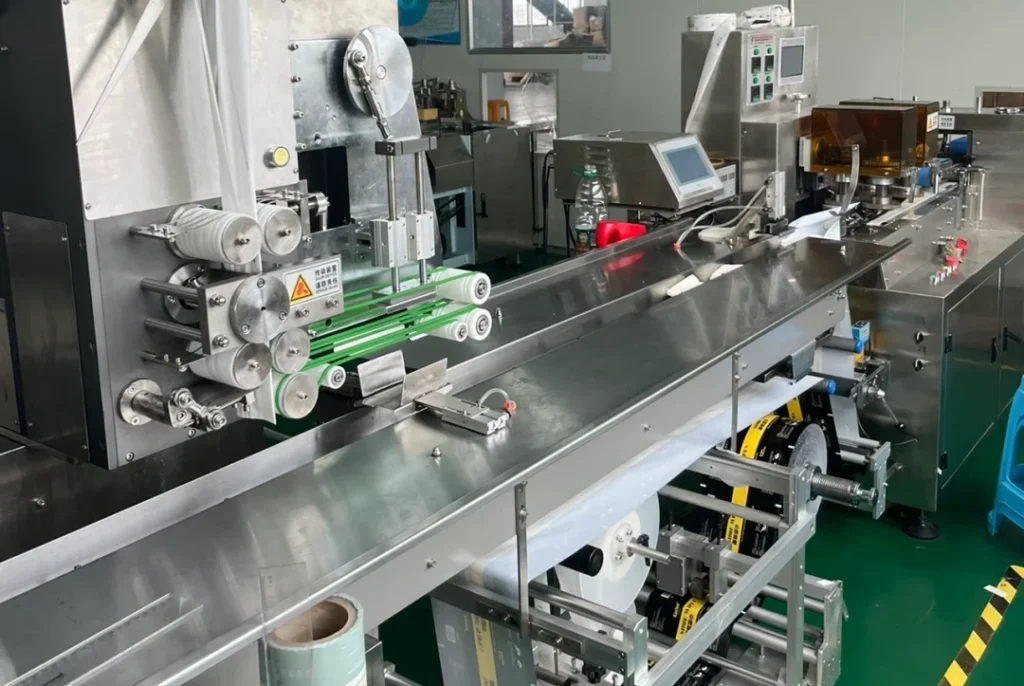
Biodegradable-ready equipment is worth specifying now, even if your current product isn’t biodegradable. Plant-based and biodegradable substrates (viscose, lyocell, cotton) fall within the 35–80g spunlace non-woven range that most modern wet wipes lines already support. The machine configuration doesn’t change—the fabric and liquid formulation do. Manufacturers who have already validated their equipment with biodegradable substrates will be faster to market when their retail buyers begin demanding compliance.
The Capacity Question
Kimberly-Clark invested USD 2 billion in 2025 to expand North American production capacity, focusing on supply chain optimization and reduced external manufacturer dependence. That’s the brand side of the market. On the manufacturing equipment side, the same logic applies in reverse: brands expanding production domestically still need machinery, and machinery buyers are the audience for this article.
The market data supports expanding production capacity in 2026. The directional risk is not whether demand will grow—it will—but whether your line configuration will serve the product mix your customers are shifting toward over the next three to five years.
FAQ
Q: Can one wet wipes machine produce both baby wipes and household wipes?
- A: Yes. The ZXJ 12-lane line supports both product types. The key operational requirements are: tension recalibration per fabric spec, full liquid circuit cleaning between formulations, and film roll changeover.
Q: What GSM fabric is used for baby wipes?
- A: Industry practice for baby wipes is typically 40–50g in 100% viscose or 70/30 viscose-polyester blends—softer and more skin-safe than the heavier fabrics used for household or industrial wipes.
Q: Do baby wipes need FDA approval?
- A: The FDA classifies baby wipes as cosmetics. Pre-market approval isn’t required, but manufacturers must ensure product safety, follow GMP, and register their facility and products with the FDA under MoCRA. Antibacterial or antiseptic claims trigger a separate regulatory review.
Q:Why does the liquid tank use 316 stainless steel instead of 304?
- A: 316 SS contains molybdenum, which provides better corrosion resistance against alcohol-based, chloride-based, and disinfectant formulations. For baby wipe formulas (predominantly water-based), the difference is less critical—but for antibacterial or kitchen wipe production on the same tank, 316 SS is the right specification.
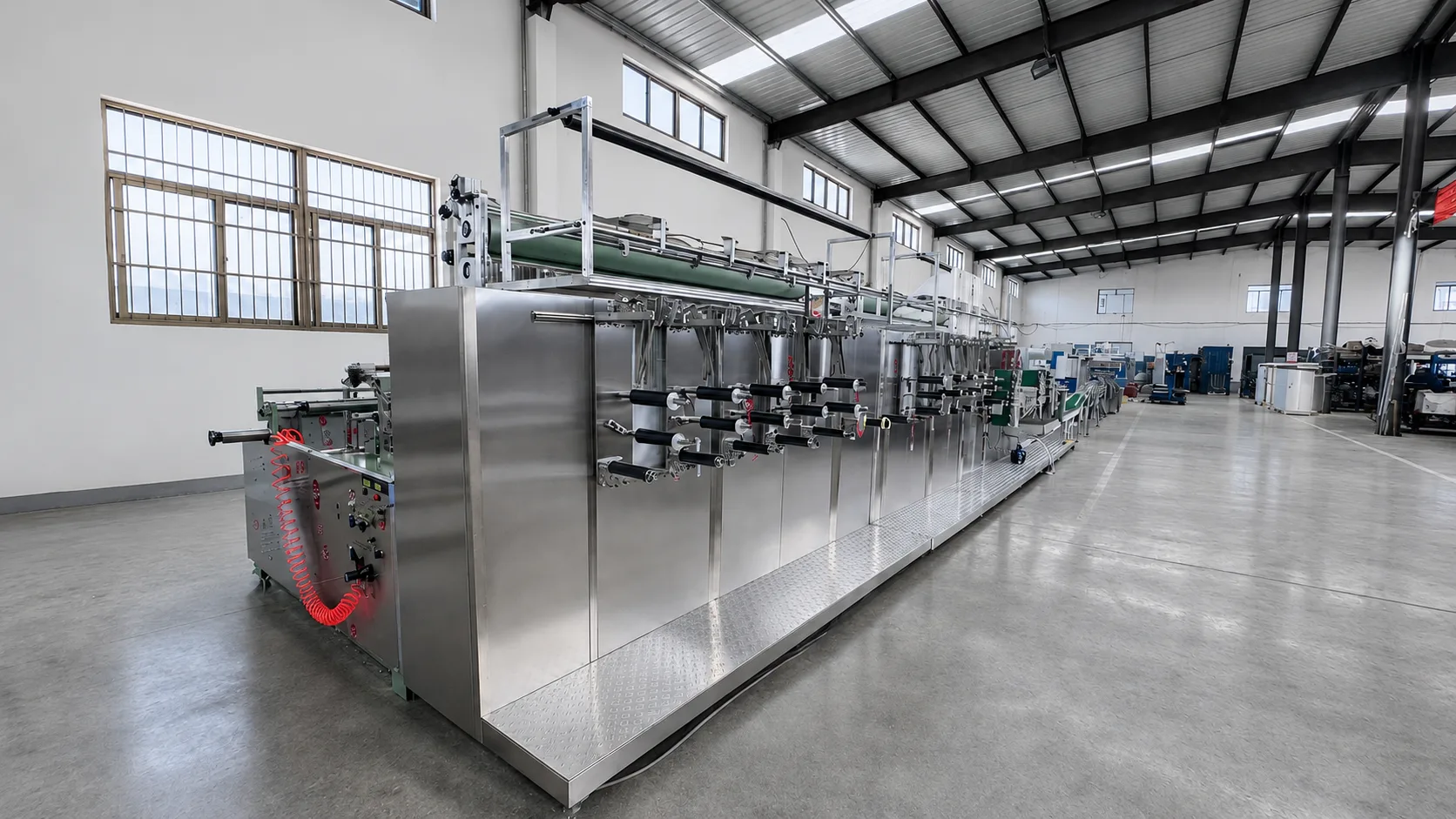
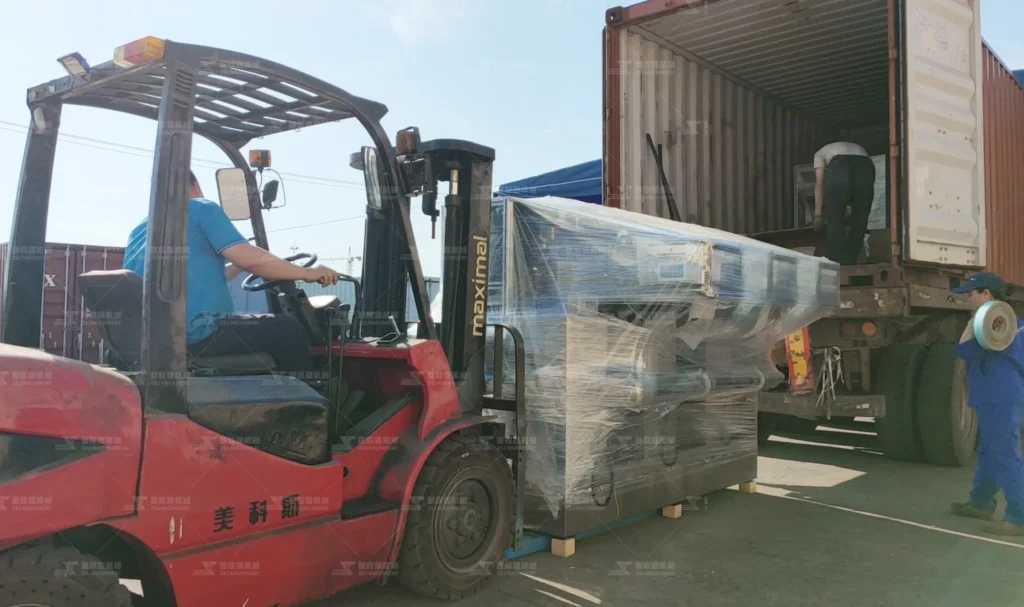
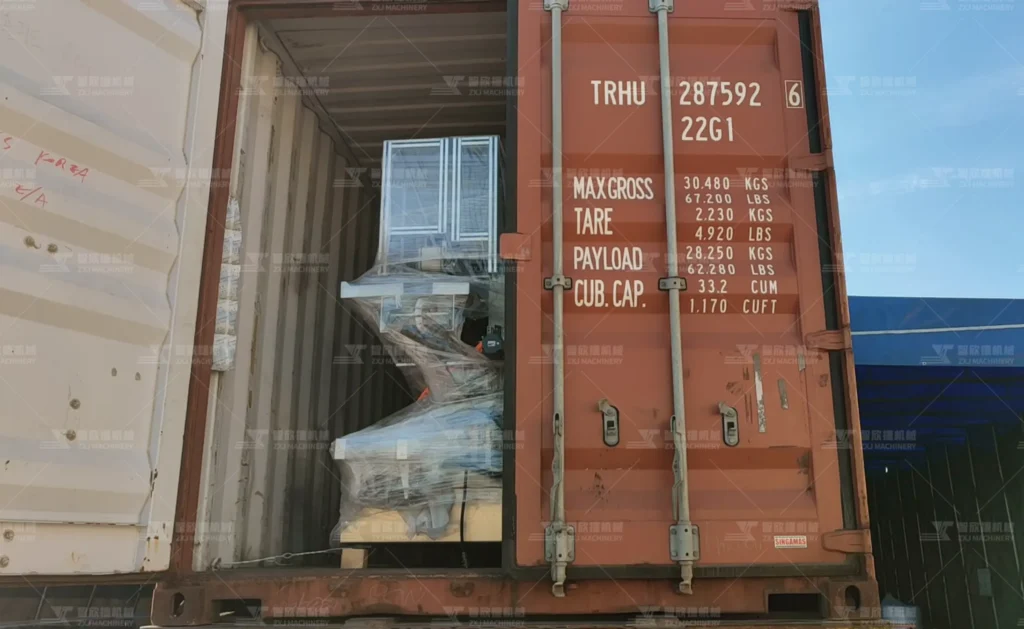
The wet wipes production line equipment we export.
Ready to Start the Evaluation?
📩 Get a Quote / Contact Us
ZXJ Machinery manufactures wet wipes production lines from 4-lane to 20-lane configurations, with direct factory access, full English documentation, and pre-shipment video testing as standard.
WhatsApp: +86 158-9610-9075
Email: paul@zxjmachinery.com
Related posts:
Baby Wipes vs. Household Wipes: What Changes on the Production Line
Inside a 12-Lane Wet Wipes Production Line: What’s Actually in the Machine
How to Choose a Wet Wipes Machine: A Practical Buyer’s Guide