Sourcing a wet wipes machine is straightforward until you start comparing quotes. Three suppliers, three different price points, all claiming “full automation” and “high speed.” How do you evaluate what’s actually different?
This guide covers the six decisions that matter most before you place an order.
How Many Lanes Do You Actually Need?
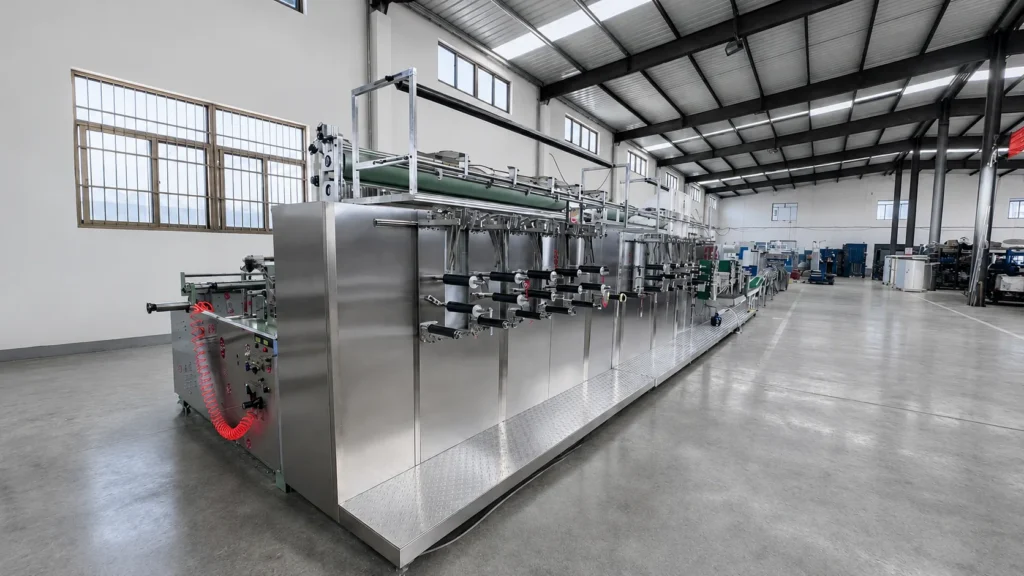
Lane count is the most direct driver of output capacity—and machine price. More lanes mean more simultaneous production streams, not just faster speed on a single line.
Lane Count | Typical Output | Best Fit |
4-lane | ~1,200–1,600 packs/min (pcs) | Small-batch, SKU testing, startup factories |
8-lane | ~2,400–3,200 packs/min (pcs) | Mid-volume, single product focus |
12-lane | 3,600–4,800 pcs/min | Large-volume retail contracts, multi-SKU lines |
A 12-lane line doesn’t just produce more—it spreads maintenance and downtime risk. If one lane requires a blade change, the other eleven keep running. On a 4-lane machine, any stop is a 25% capacity cut.
The right lane count depends on your annual volume commitment, not your theoretical ceiling. Oversizing creates idle capacity and unnecessary capital expense; undersizing creates a bottleneck within 18 months of a new retail contract.
What Pack Sizes Do Your Customers Buy?
This determines both machine configuration and how often you’ll need to switch formats.
Wet wipes pack sizes break into three commercial segments:
- Travel / single-use (10–30 pcs): hospitality, airlines, convenience retail, personal care
- Standard household (40–80 pcs): supermarket, pharmacy, private label
- Bulk household (100–120 pcs): warehouse retail (Costco-format), institutional, B2B
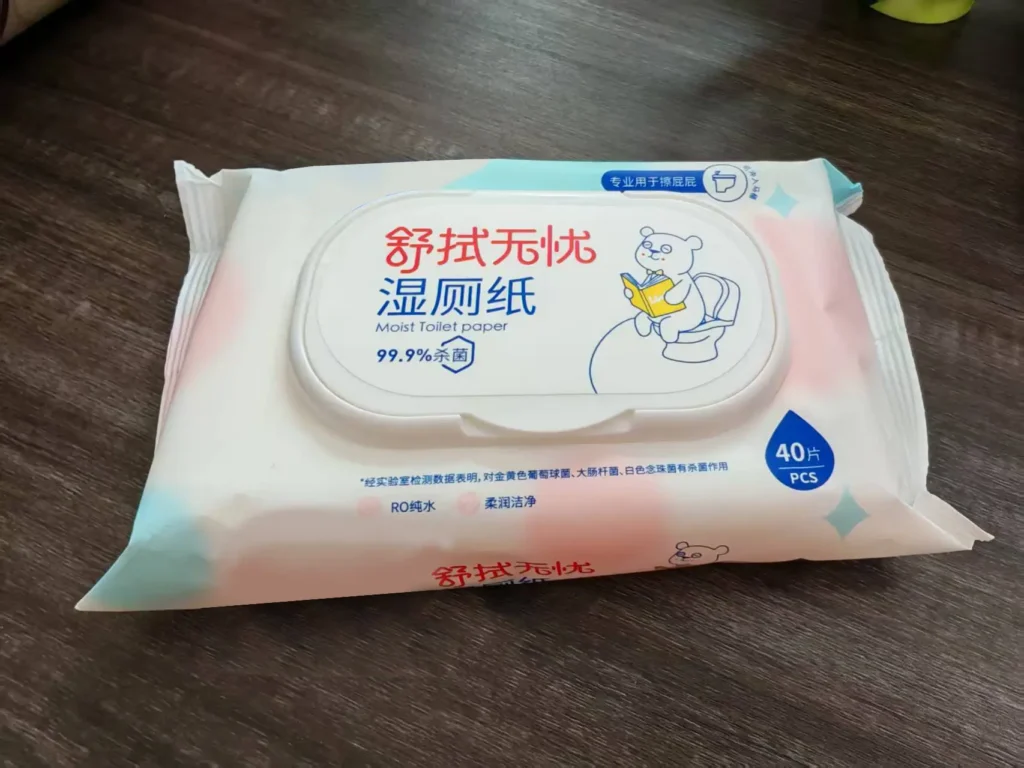
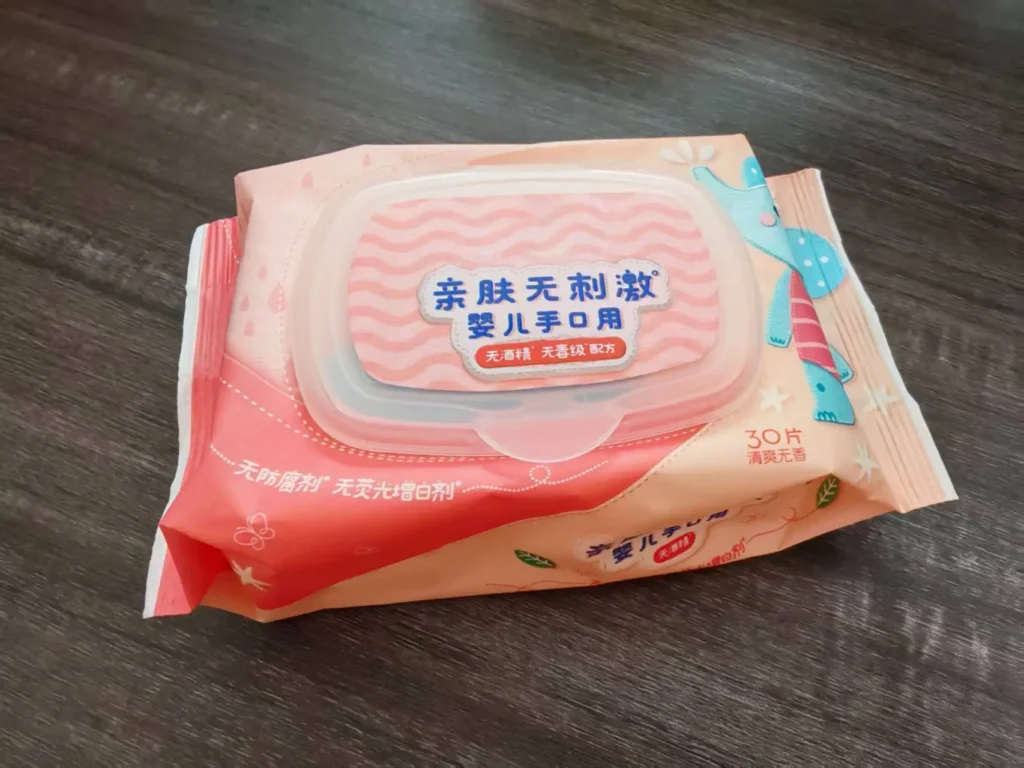
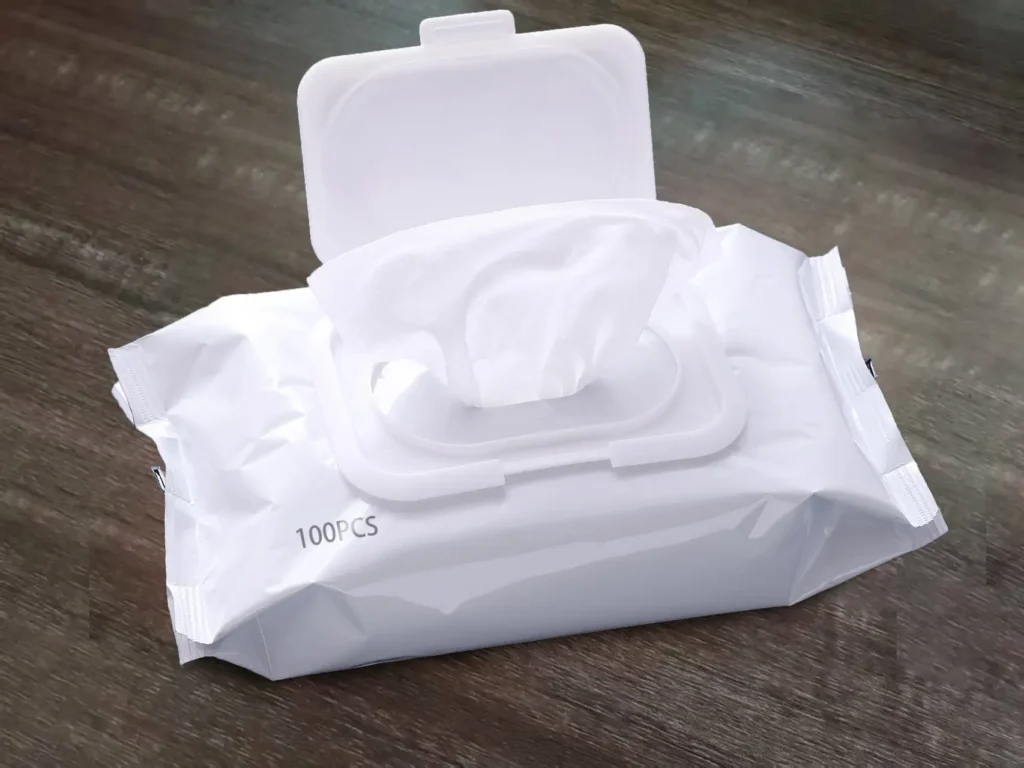
If your business serves more than one segment, you need a machine that handles the full range without mechanical retooling. A servo-controlled line with one-click parameter switching (like the YWJ-AH-650, which covers 30–120 pcs) changes format in 20–40 minutes. A cam-based mechanical line takes 2–4 hours and requires a skilled technician for each changeover.
For manufacturers running seasonal or contract-driven production, format flexibility directly affects how many SKUs you can serve without a second machine.
What Film Type Does Your Product Require?
Film type is often overlooked until it causes packaging failure at the retail level. Different wipe formulations require different barrier properties:
Film Type | Best For | Notes | |
BOPP/PE | Standard household wipes | Good moisture barrier, cost-effective | |
CPP/PE | Baby wipes, alcohol-based | Higher heat resistance, better seal integrity | |
CPP/PA | Medical / antibacterial wipes | Oxygen barrier; required for longer shelf-life claims | |
OPP anti-fouling | Sensitive skin / cosmetic wipes |
|
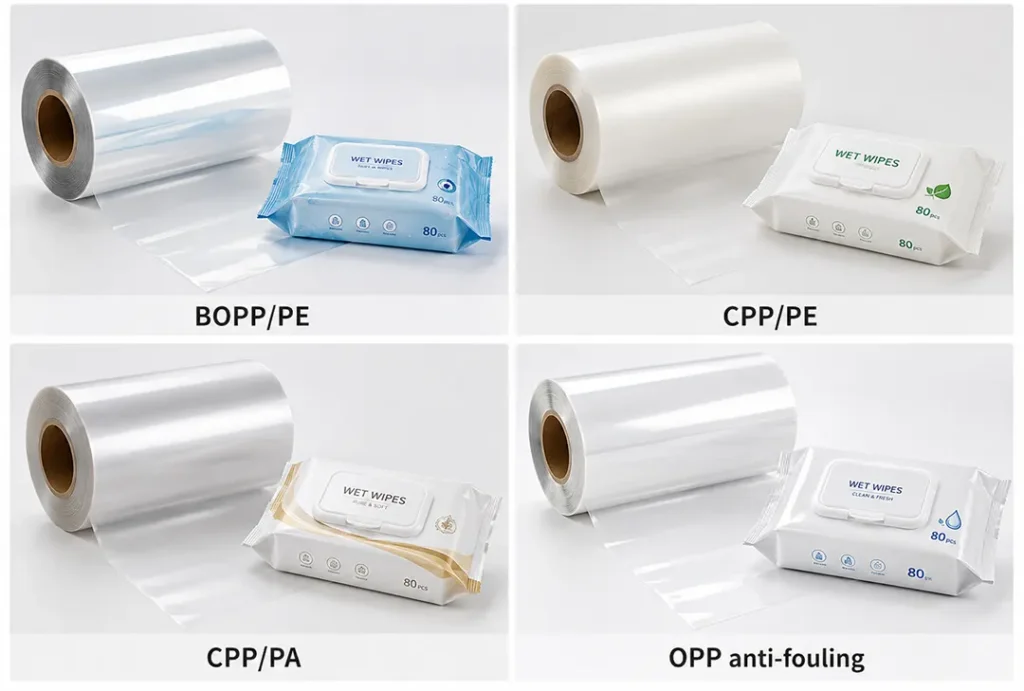
A machine that only runs BOPP/PE limits your product roadmap. Verify that your shortlisted machine’s film specification covers the formulations you plan to run—not just your current SKU.
The packaging machine in ZXJ’s 12-lane line (YWJ-QS-F600W) is compatible with BOPP/PE, CPP/PE, CPP/PA, and OPP films at 5–8μm thickness, covering all four categories above.
Manufacturer or Trading Company: How to Tell the Difference
This is the question most buyers forget to ask explicitly—and it has the largest impact on post-sale support.
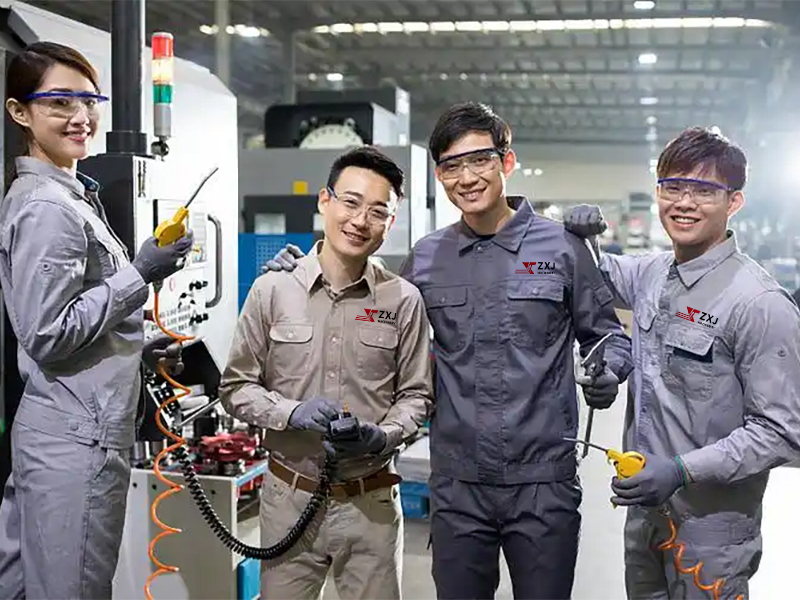
A manufacturer owns the production facility, employs engineers who designed the machine, and can modify configurations at the factory level. When a component fails or a parameter needs adjustment, the person who built the machine is reachable.
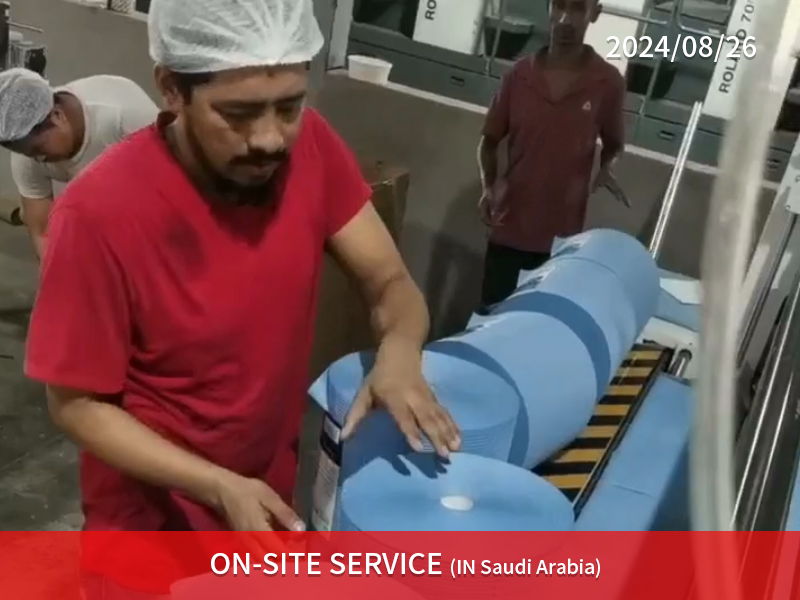
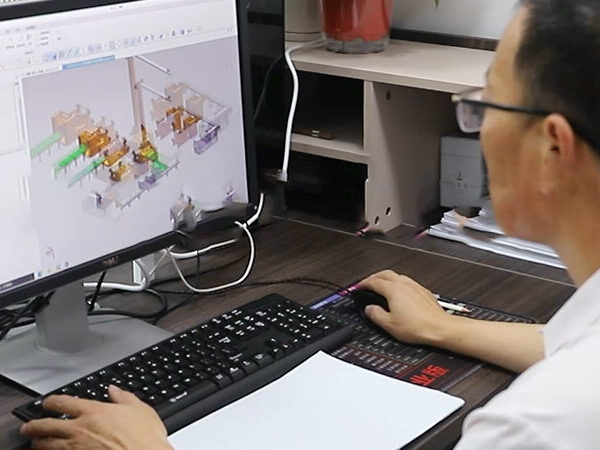
A trading company sources machines from third-party factories and resells them. They can offer competitive prices and handle logistics well—but their ability to provide technical support, spare parts, or customization is limited to whatever the actual factory will do for them.
How to verify before you buy:
Check | What to Ask | What to Look For |
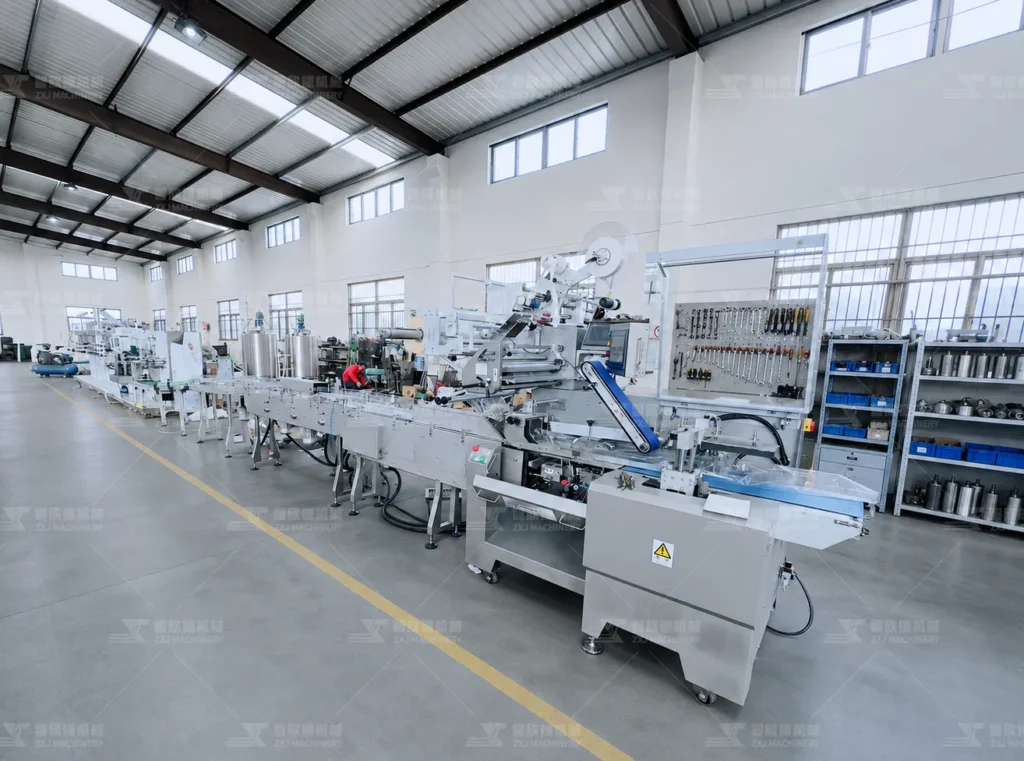
Factory visit | "Can we visit your production facility?" | Real workshop with machines in assembly, not a showroom |
Engineer access | "Can we speak with the engineer who will build our line?" | Direct technical conversation, not a sales intermediary |
Customization | "Can you modify the frame footprint for our floor plan?" | Specific answer with lead time, not a generic yes |
Documentation | "Will electrical schematics and PLC documentation be in English?" | Confirmed as a deliverable, in writing |
Spare parts | "What is the lead time for a replacement servo drive?" | Days, not "we'll check with the factory" |
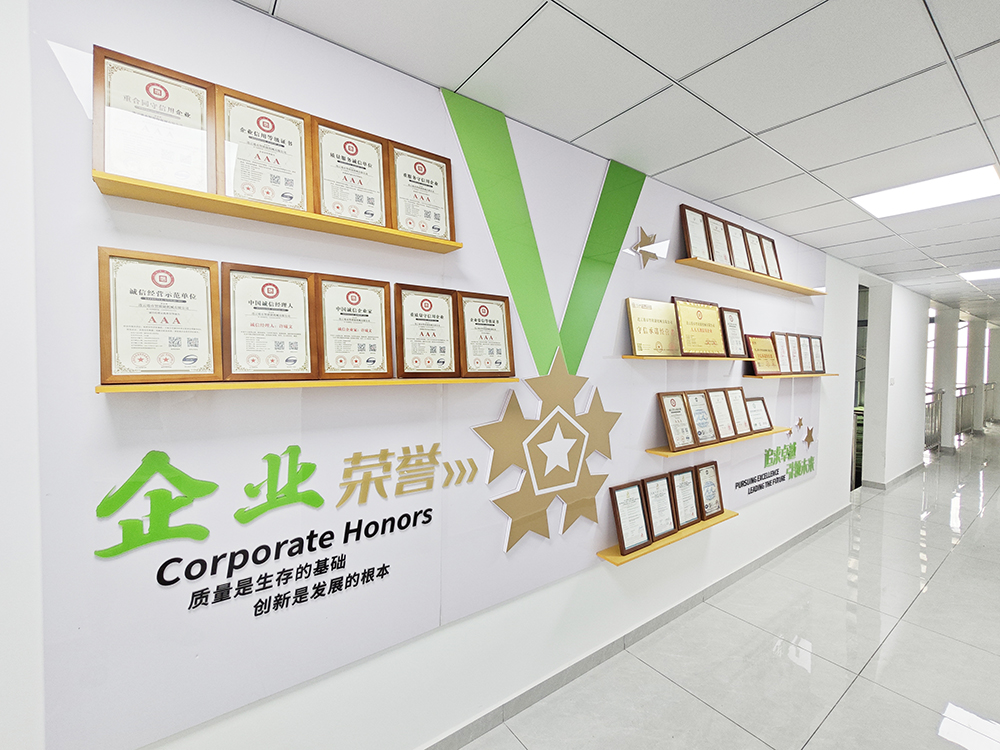
ZXJ Machinery is a direct manufacturer based in Lianyungang, China, with 30+ years in nonwoven and hygiene machinery production. Factory visits and pre-shipment inspections are standard practice.
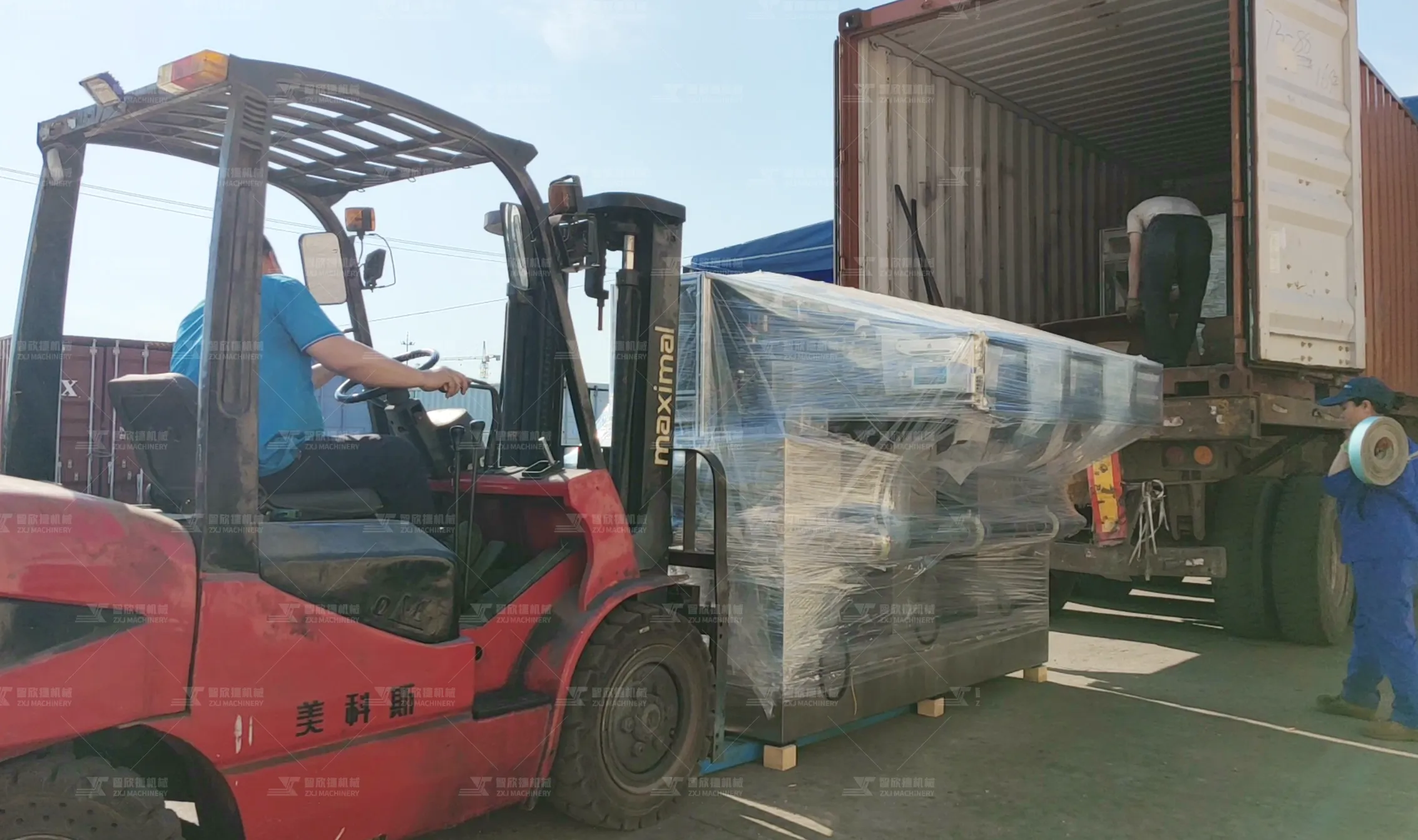
What Does “After-Sales Support” Actually Cover?
After-sales support is listed on every supplier’s website. What it means in practice varies significantly.
Before signing, get written clarity on:
Remote support: Is real-time PLC access (via TeamViewer or equivalent) included in the warranty? This determines whether a control system issue can be diagnosed in hours or requires waiting for a physical technician.
Spare parts availability: Which components are stocked locally by the supplier, and which require international shipping? Critical consumables—cutting blades, solenoid valves, sealing elements—should ideally be sourced locally or included in a commissioning spare parts package.
On-site commissioning: Does the supplier send an engineer to your facility for installation and initial startup, or is setup handled by video call? For a 12-lane integrated line, on-site commissioning significantly reduces startup risk.
Warranty scope: Is the warranty parts-only, or does it cover labor and travel for on-site visits within a defined period?
These aren’t premium add-ons—they’re standard expectations from a supplier who stands behind their product.
What Should You Verify at Pre-Shipment?
The most effective buyer protection happens before the machine leaves the factory, not after it arrives.
A legitimate manufacturer will agree to all of the following as standard practice:
- Full-speed production test with your target fabric spec (minimum 2–4 continuous hours)
- Documented spoilage rate measured during the test run (target: ≤1%)
- Dimensional accuracy check across all lanes (target: ±1.5mm on fold and cut)
- Component inspection — physically verify brand labels on servo drives, bearings, valves
- Video recording of the complete test, provided before final payment
If a supplier is reluctant to agree to any of these points, that reluctance is itself useful information.
Buyer’s Decision Checklist
Before issuing a purchase order, confirm answers to all of the following:
- Lane count matches your 3-year volume projection, not just current capacity
- Machine handles all pack sizes your current and planned SKUs require
- Film compatibility covers your formulations (check CPP/PA if you’re running antibacterial or medical)
- Supplier is a direct manufacturer — factory visit or third-party inspection confirmed
- English documentation (electrical, PLC, maintenance manual) confirmed in writing as a deliverable
- Pre-shipment test protocol agreed, including video delivery
- Spare parts lead times understood for top 10 consumable components
FAQ
Q: What is the typical lead time for a custom wet wipes machine?
- A: 30 days usually ,lead time varies by configuration. Contact ZXJ’s engineering team with your spec requirements for an accurate timeline.
Q: What voltage configurations are available for export?
- A: Standard configuration is three-phase 380V/50Hz. Transformer packages are available for US 460V/60Hz requirements.
Q: How do I verify a Chinese supplier is a direct manufacturer and not a trading company?
- A: Request a factory visit (in person or via live video call), ask to speak with the design engineer for your specific line, and confirm that customization requests are handled internally rather than referred to a third party.
Ready to Start the Evaluation?
📩 Get a Quote / Contact Us
ZXJ Machinery manufactures wet wipes production lines from 4-lane to 20-lane configurations, with direct factory access, full English documentation, and pre-shipment video testing as standard.
WhatsApp: +86 158-9610-9075
Email: paul@zxjmachinery.com
For detailed specifications and model options, visit our